Five Mistakes to Avoid When Designing Your Custom Cabinets
Designing custom cabinets is a crucial aspect of creating a functional and aesthetically pleasing kitchen. Several common mistakes can quietly undermine the success of a cabinet package. Here are five to avoid so your custom cabinets deliver on both design intent and daily use.
Understanding the Importance of Custom Cabinet Design
Before the specific mistakes, it helps to grasp what well-designed custom cabinets actually do. Cabinets aren't only storage — they set the look, feel, and rhythm of the kitchen. A thoughtful cabinet design turns the room into an organized, efficient, and visually resolved space.
Custom cabinetry lets you optimize every inch to the way you actually cook and entertain. Beyond function, the material, finish, and hardware choices define the kitchen's character — modern and minimal, warm and traditional, or something in between. Custom is what makes those choices possible.
Ignoring the Workflow and Functionality
The Importance of Kitchen Workflow
A well-designed kitchen has a seamless workflow: the way you move between stove, sink, and refrigerator. Ignoring workflow at design leads to daily friction long after the cabinets are installed.
Key Considerations for Functionality
- Triangle Principle: Position stove, sink, and refrigerator to form a working triangle that shortens travel between core tasks.
- Storage Needs: Assess actual cooking habits and cater cabinet layouts to the items used most, kept most accessible.
- Accessibility: Place daily items within easy reach; group specialized storage where the task happens — pots near the stove, cleaning gear near the sink.
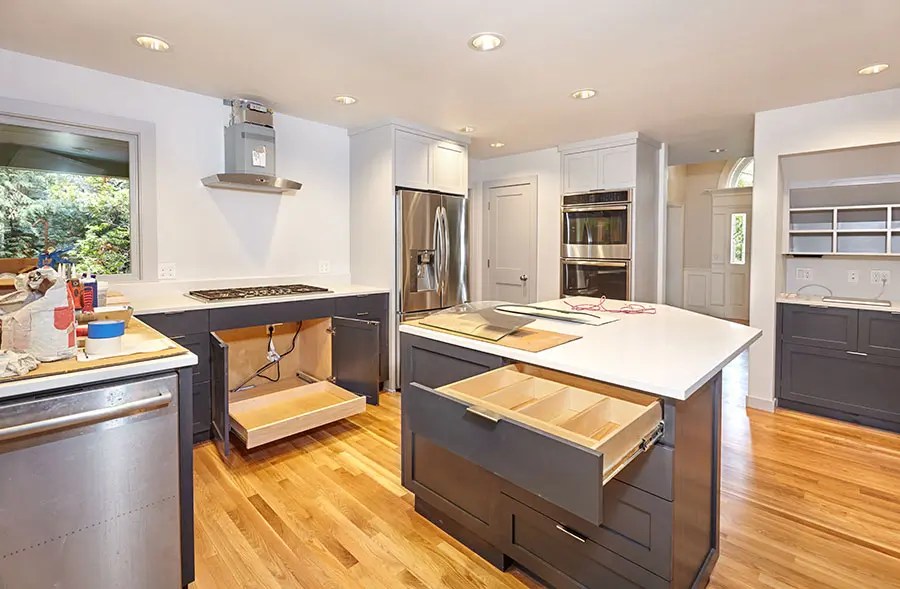
- Ergonomic Design: Set cabinet heights for comfort; use pull-outs and drawers to keep contents visible and reachable.
- Workflow Zones: Define zones for prep, cook, and clean so the room supports the sequence of a real meal.
- Custom Inserts: Fit inserts for utensils, spices, and small tools so nothing lives in a pile.
Solving for these functional details is what makes a beautiful kitchen also feel effortless.
Overlooking Material Quality
Color matching is central to a cohesive cabinet package. Professional cabinet makers guide the process so custom cabinetry meets both aesthetic intent and how the room actually reads under real light.
Natural Wood Colors
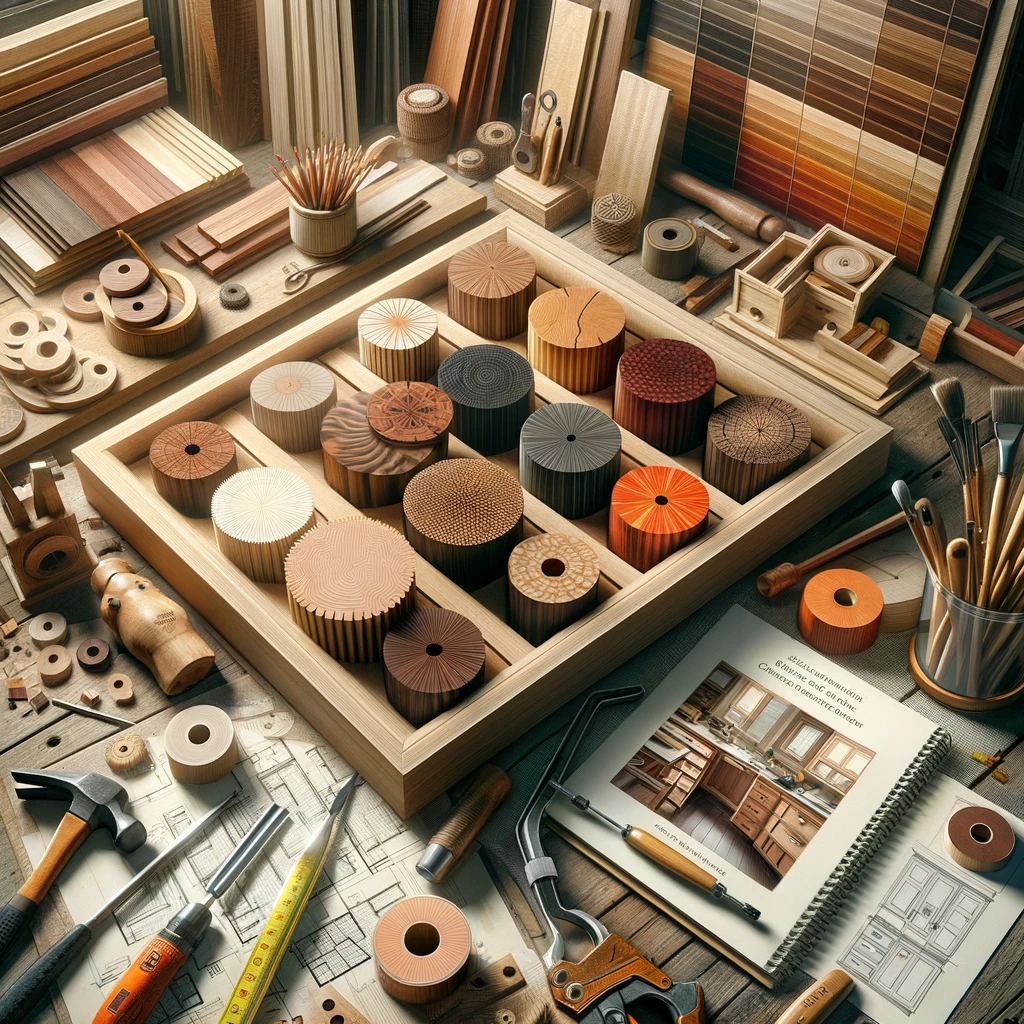
Each species carries its own color range and grain, offering a wide palette:
- Light woods (maple, ash, birch): brighten the space, suit modern and contemporary designs, and make smaller kitchens read larger.
- Medium woods (oak, hickory): balanced and warm, versatile across styles, with grain that adds visual interest.
- Dark woods (walnut, mahogany): rich and elegant, ideal for traditional, rustic, or luxurious rooms.
- Red-toned woods (cherry, red oak): warm and inviting, developing deeper patina over time.
Customization Options
- Staining: enhances or alters natural tone; custom mixing matches surrounding materials while preserving grain.
- Painting: unlimited color options, ideal when a uniform painted look is the design intent.
- Two-tone and mixed materials: combine wood tones or pair wood with painted surfaces for a considered contrast.
Considerations for Color Selection
- Complementary elements: flooring, counters, backsplash, and appliances all affect how the cabinet color reads.
- Lighting: natural and artificial light shift color throughout the day — approve samples in the actual room whenever possible.
- Long-term changes: some species (cherry especially) deepen with age; UV-stable finishes help hold color.
- Trendy vs. timeless: balance a current palette against long-term appeal so the room doesn't date in five years.
Professional Advantages
- Visualization tools: 3D renderings and finish previews help you see the combination before committing.
- Sample boards and mock-ups: large-scale samples viewed in the actual room reveal what small chips can't.
- Expert advice: shop-side knowledge of species behavior, finish performance, and color coordination.
- Custom matching: precise coordination with paint swatches, stone slabs, and hardware finishes.
Working with a professional cabinet shop gives you the range of options and the guidance to choose confidently — so the cabinetry still looks right five, ten, twenty years in.
Neglecting Adequate Storage Solutions
Assessing Storage Requirements
Undersizing storage guarantees a cluttered kitchen. Storage is not an afterthought — it is a core part of the cabinet design.
Innovative Storage Ideas
- Pull-Out Shelves: bring the back of deep cabinets to the front, so nothing gets lost.
- Vertical Storage: use the full height for trays, boards, and tall items.
- Custom Inserts: fitted trays for utensils, spices, and specialty tools keep everything ordered.
- Corner Solutions: lazy Susans and pull-out racks convert corner dead space into usable storage.
- Drawer Dividers: adjustable dividers keep cutlery and tools organized instead of pooled.
Design for real storage and the kitchen stays organized long after move-in.
Disregarding Aesthetic Cohesiveness
Harmonizing with the Kitchen Design
Cabinets should read as part of the whole room, not a bolt-on. Ignoring cohesion produces a disjointed kitchen no matter how nice the individual pieces are.
Tips for Aesthetic Cohesiveness
- Color Schemes: choose cabinet colors that support the room's overall palette.
- Style Consistency: match cabinet style to the room's language — modern, traditional, or transitional.
- Hardware Finish: coordinate cabinet hardware with faucets and lighting for a resolved look.
- Texture and Materials: pair smooth cabinet faces with textured stone or backsplash for depth.
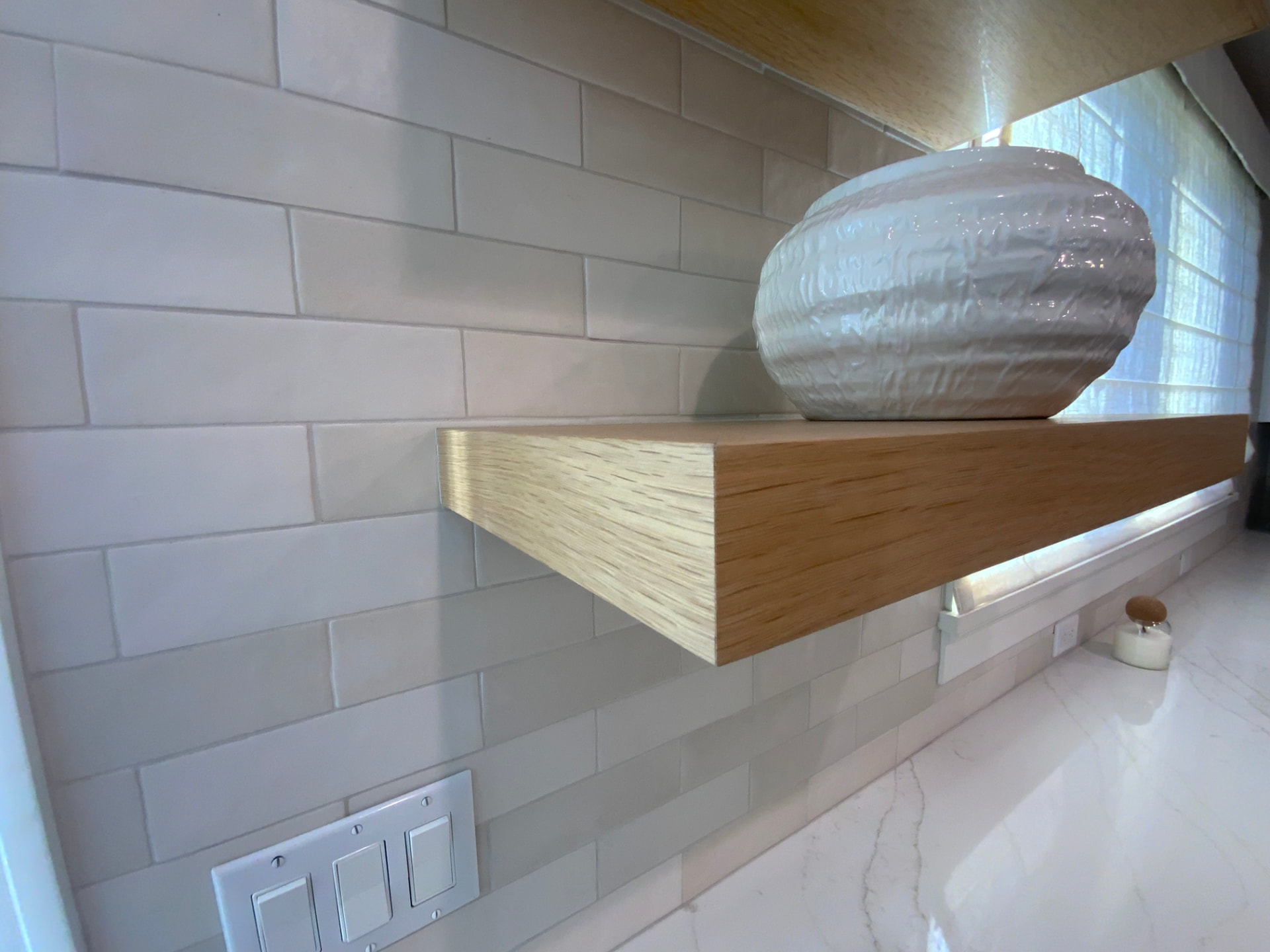
- Lighting Integration: under-cabinet and interior lighting elevate both function and detail.
Attention to these details is what makes a kitchen feel considered rather than assembled.
Underestimating Professional Expertise
Value of Professional Guidance
Custom cabinet design involves construction, finish, hardware, and installation decisions that reward expertise. Skipping that expertise usually costs more than hiring it.
Benefits of Hiring Professionals
- Expert Advice: informed recommendations grounded in shop-floor experience.
- Precise Measurements: accurate field measures prevent gaps, scribes gone wrong, and misaligned runs.
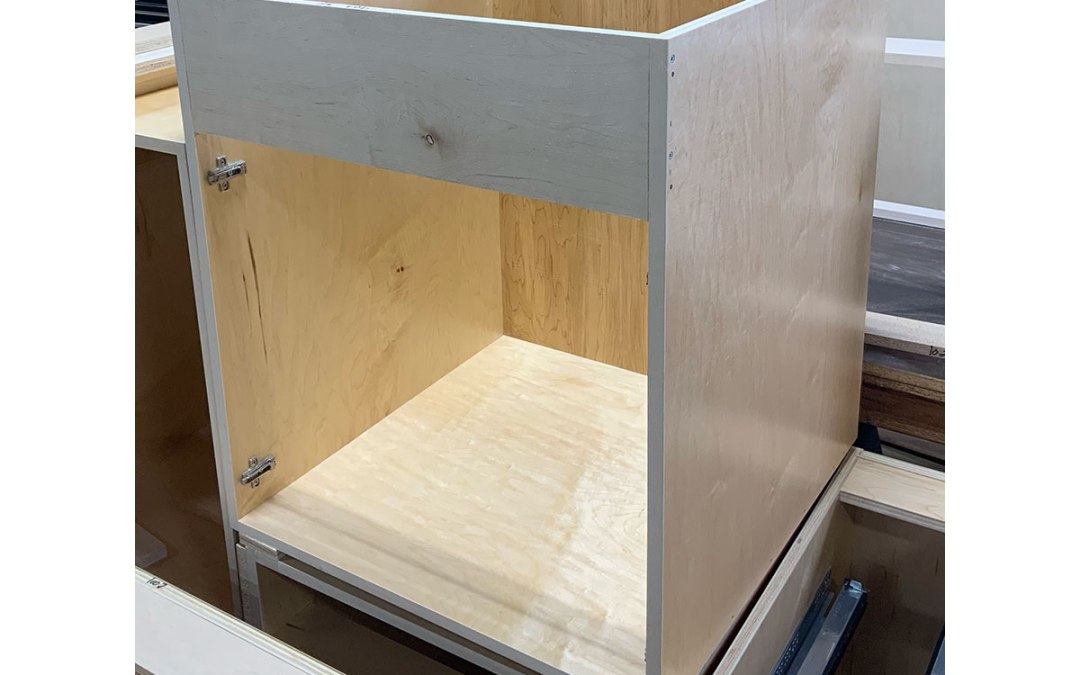
- Quality Craftsmanship: durable construction and finish that hold up under real use.
- Customization Options: solutions tailored to the project rather than pulled from a catalog.
- Project Management: coordination from design through install so the schedule holds.
Engaging a professional shop saves time, money, and rework — and it's usually the difference between a cabinet package that lands and one that almost does.
Achieving the Perfect Custom Cabinets
Avoiding these five mistakes keeps your custom cabinets both functional and beautiful. Prioritize workflow, material quality, storage, cohesion, and professional expertise, and the result reads exactly like the drawing.
Custom cabinetry is an investment in the home. Design it well and it pays back every day in a kitchen you actually enjoy cooking and entertaining in.
Ready to design your custom cabinets? Reach out to Riggins Wood Products for expert guidance and shop-built cabinetry across Orange County.